When Is Surgery Considered for Fibroids in Singapore?
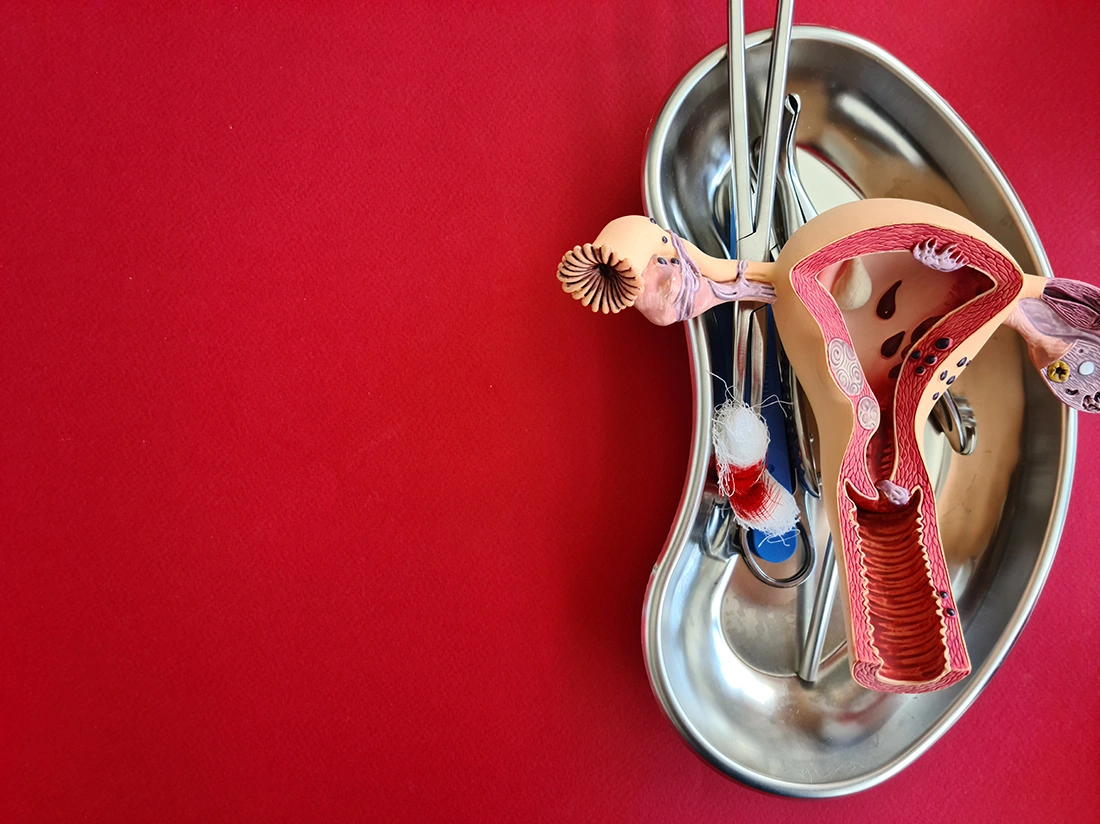

Being diagnosed with uterine fibroids often raises one important question: will surgery be necessary? While many fibroids remain small or symptom-free, others may grow and begin affecting daily life, fertility or nearby organs. Surgery is not the first or only treatment option available. Gynaecologists carefully consider factors such as the size and location of the fibroids, the severity of symptoms, future pregnancy plans and how well non-surgical treatments have worked before recommending an operation.
For women exploring fibroids treatment in Singapore, understanding when surgery is considered can make discussions with a specialist more informed and less overwhelming.
When Do Fibroids Require Surgical Intervention?
Most fibroids do not require surgery. However, fibroid surgery may be considered if they begin affecting your quality of life, fertility or the function of nearby organs, particularly when symptoms persist despite conservative treatment. The decision is based on your symptoms, examination findings and treatment goals rather than the diagnosis alone.
Persistent or Heavy Menstrual Bleeding
Heavy or prolonged menstrual bleeding is a common reason for treatment. Surgery may be considered if bleeding:
- Causes anaemia
- Requires frequent pad or tampon changes
- Disrupts daily activities
- Persists despite medication
Chronic Pelvic Pain or Pressure
Fibroids can cause ongoing discomfort as they grow. Surgery may be considered when symptoms include:
- Persistent pelvic pain
- Pelvic pressure or heaviness
- Pain during intercourse
- Lower back discomfort
Pressure on Nearby Organs
Larger fibroids may press on surrounding organs, leading to:
- Frequent urination
- Difficulty emptying the bladder
- Constipation
- Abdominal bloating
Surgery may be considered when pressure on nearby organs causes persistent symptoms or affects daily activities
Fertility or Pregnancy Concerns
Some fibroids may affect fertility or pregnancy depending on their size and location. Surgery may be considered if fibroids are thought to reduce the chances of conception or increase the risk of pregnancy complications.
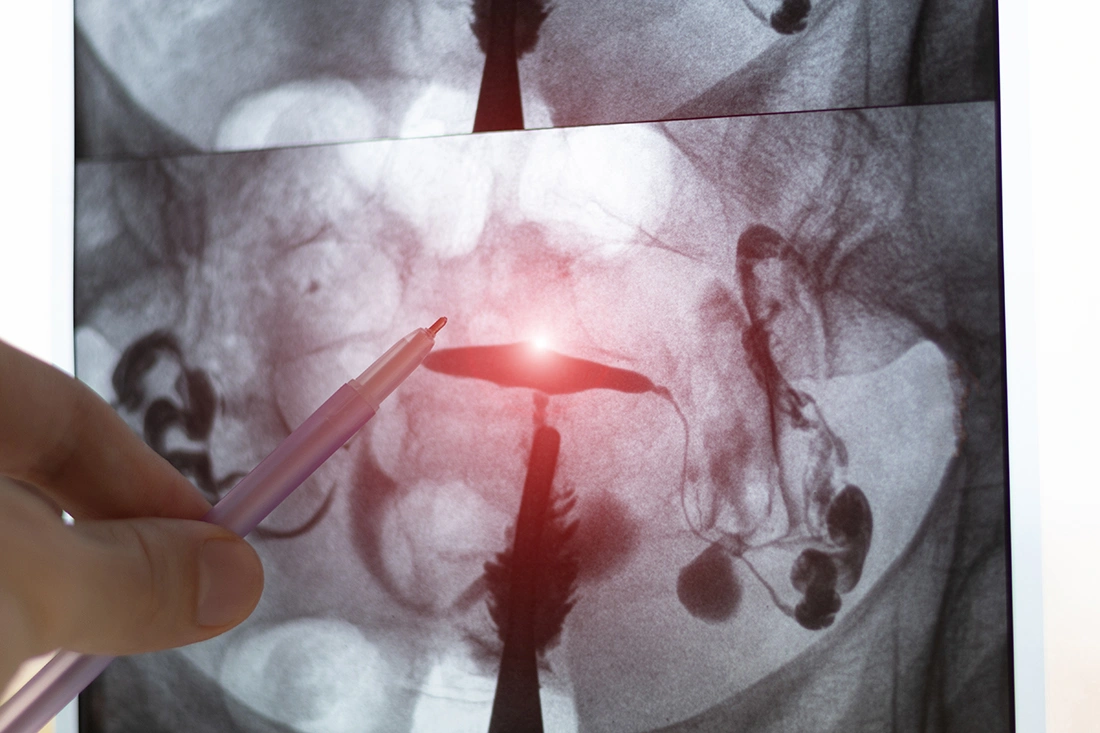
What Factors Influence Whether Surgery Is Recommended?
The need for surgery varies with each patient. Rather than relying on fibroid size alone, specialists evaluate multiple clinical factors together.
Fibroid Size, Number and Location
Fibroids vary considerably. Some women have a single fibroid while others develop multiple growths throughout the uterus. Fibroids growing within the uterine cavity or significantly distorting the uterus are more likely to cause symptoms or affect fertility, making surgery more likely to be considered.
Severity of Symptoms
Women with similarly sized fibroids may experience completely different symptoms. Treatment recommendations are therefore based on how much fibroids affect daily activities and overall quality of life rather than imaging findings alone.
Response to Non-Surgical Treatment
Medication sufficiently controls symptoms for some women. Surgery is a more likely option when symptoms continue despite medical treatment or when symptoms return after conservative management.
Future Pregnancy Plans
If pregnancy is desired, specialists aim to recommend treatments that remove problematic fibroids while preserving the uterus whenever appropriate.
Overall Health and Personal Preferences
Age, menopausal status, existing medical conditions and personal treatment goals all contribute to deciding whether surgery is the most suitable option.
What Surgical Options Are Available for Fibroids?
Several surgical approaches are available depending on the patient’s needs.
Myomectomy
Myomectomy removes fibroids while preserving the uterus. It is commonly recommended for women who wish to preserve their fertility or retain their uterus.
Depending on the size, number and location of fibroids, a myomectomy may be performed using minimally invasive techniques or, in selected cases, an open surgical approach.
Abdominal Myomectomy
Involves an incision in the lower abdomen, often along the bikini line, and is commonly used when fibroids are large, numerous or deeply embedded.
Laparoscopic Myomectomy
Performed through small incisions using specialised instruments, this approach causes less tissue disruption and may allow for reduced pain, a smaller scar, shorter inpatient time and a quicker return to daily activities. In selected cases, experienced fibroid surgeons may also perform the procedure through a single incision.
Hysteroscopic Myomectomy
This approach avoids abdominal incisions for fibroids located within the uterine cavity. Fibroids are removed using a scope passed through the vagina and cervix.
Hysterectomy
For women who have completed their family or have multiple symptomatic fibroids that are unlikely to be managed effectively with uterine-preserving surgery, hysterectomy may be considered. This procedure removes the uterus and permanently eliminates the risk of fibroid recurrence. There are several types of hysterectomy, including partial (supracervical), total and radical.
The decision is made carefully after discussing treatment goals and alternative options.
Find the Right Fibroid Care for You at ASC Clinic for Women
Most women with fibroids do not require surgery. However, persistent symptoms, fertility concerns or pressure on nearby organs may warrant specialist assessment. As each case differs, treatment decisions should be based on symptoms, fibroid characteristics and individual health goals.
At ASC Clinic for Women, we provide assessment and treatment for uterine fibroids, including conservative management and minimally invasive surgical options where appropriate.
Dr Anthony Siow is a gynaecologist with over 20 years of institutional practice and was the first Director of Minimally Invasive Surgery Centre, KK Women's & Children's Hospital. If you are experiencing persistent symptoms or have been diagnosed with fibroids, arranging a consultation can help you understand whether monitoring, medication or surgery is the most appropriate option for your situation.
Frequently Asked Questions (FAQs) About Fibroid Surgery
Meet Our Fibroid Surgery Specialist in Singapore
Obstetrician Gynaecologist
MBBS, M Med (O&G), MRANZCOG, MRCOG
Member of the Australasian Gynaecological Endoscopy and Surgery Society
Member of the American Association of Gynecologic Laparoscopists
Dr Anthony Siow is an accomplished gynaecologist with over two decades of special interest in uterine fibroid management. Prior to private practice, Dr Siow was the first Director of the Minimally Invasive Surgery Centre at KK Women's & Children's Hospital. He was also the first gynaecologist in Singapore to perform Single Incision Laparoscopy for fibroid removal, and has successfully performed more than 500 cases since 2010.