Understanding Subserosal Fibroids
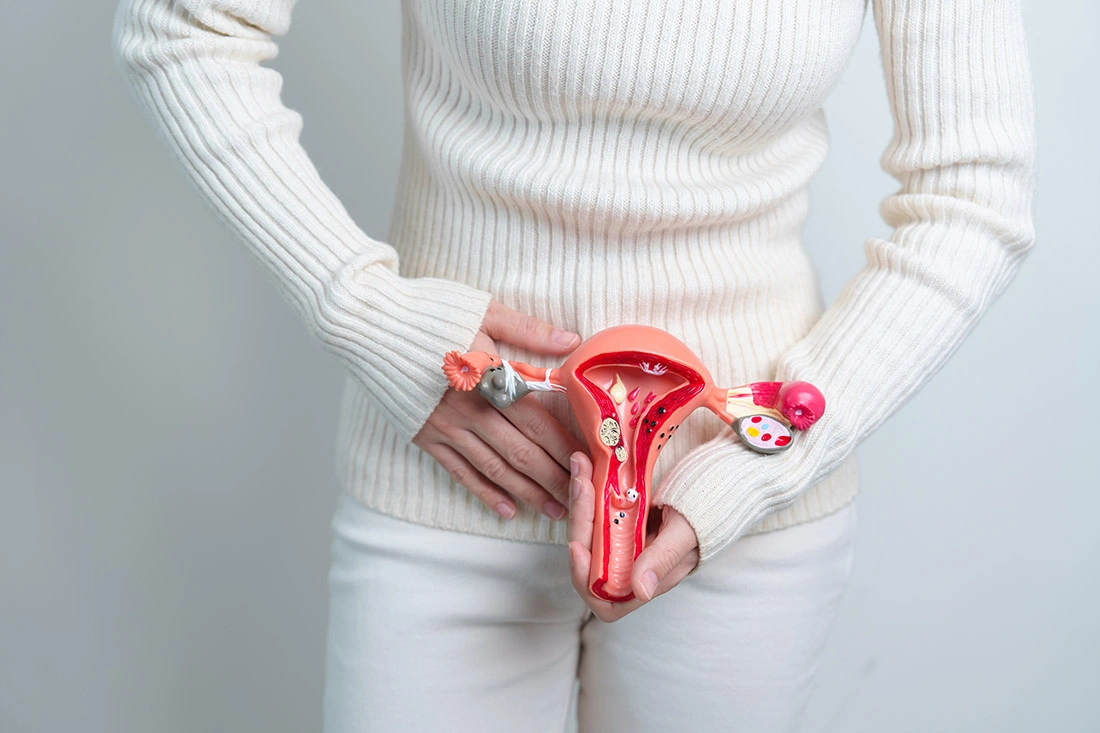

Subserosal fibroids are a type of uterine fibroid that grows on the outer surface of the uterus. Unlike fibroids that develop within the uterine wall or cavity, they grow outward and may press against nearby organs such as the bladder or bowel.
If you have subserosal fibroids, you may experience pelvic pressure, bloating or frequent urination rather than heavy menstrual bleeding. Recognising these symptoms can help you know when to seek medical evaluation.
What Are the Symptoms of Subserosal Fibroids?
Symptoms of subserosal fibroids are usually related to pressure rather than bleeding. As these fibroids increase in size, they may press against surrounding structures, causing noticeable discomfort. Common symptoms include:
- Pelvic pressure.
- Lower abdominal discomfort.
- A feeling of pelvic fullness or heaviness.
Some women may also experience:
- Urinary frequency.
- Difficulty emptying the bladder.
- Bowel discomfort.
What Are the Main Causes of Subserosal Fibroids?
Subserosal fibroids may develop when biological and hormonal factors interact over time. Rather than appearing suddenly, they usually develop gradually as uterine muscle cells respond abnormally to hormonal signals.
Hormonal Causes
Oestrogen and progesterone normally regulate the menstrual cycle and uterine tissue growth. In some women, however, uterine muscle cells respond more strongly to these hormones.
During the reproductive years, higher hormone levels may stimulate the excessive growth of these cells. Over time, this growth can result in a fibroid that develops on the outer surface of the uterus.
Some women may have a higher risk of developing fibroids, including:
- Women with Delayed Childbirth or Fewer Pregnancies: Pregnancy temporarily changes hormone patterns, which may reduce prolonged exposure to oestrogen.
- Women with Long-Term Hormonal Imbalance: Extended exposure to oestrogen without balanced hormonal regulation may encourage fibroid growth.
Genetic Causes
Genetics may also play a role in the development of fibroids. Women with a family history of fibroids may inherit uterine muscle cells that respond more strongly to hormonal signals. Although this does not guarantee that fibroids will develop, it may increase the likelihood of fibroid formation, especially when combined with hormonal influences.
In simple terms, subserosal fibroids may form when:
- Hormones stimulate the continued growth of uterine muscle cells.
- Certain cells respond more strongly than normal.
- The growth gradually expands outward from the uterine surface over time.
Risk factors differ from person to person. A fibroid specialist can assess your symptoms, determine whether subserosal fibroids are the cause and recommend appropriate treatment.
How Are Subserosal Fibroids Diagnosed?
Diagnosis usually begins with a discussion of your symptoms, such as pelvic pressure, abdominal discomfort or urinary changes. Your doctor will also review your medical history and perform a pelvic examination.
To confirm the diagnosis, imaging tests may be recommended:
- Pelvic Ultrasound: This is commonly used to detect fibroids and assess their size and location.
- MRI Scan: This may be advised for larger or more complex fibroids, especially when detailed imaging is needed for treatment or surgical planning.
With appropriate guidance from a fibroid doctor, many women can manage symptoms effectively and find a treatment approach suited to their condition.
What Treatment Is Available for Subserosal Fibroids?
Treatment for subserosal fibroids depends on factors such as symptoms, fibroid size and personal priorities, including lifestyle and fertility plans. Not all fibroids require surgery and doctors often consider several management options before recommending an intervention. Common treatment approaches include:
Growth Observation and Monitoring
If the fibroids are small and do not cause symptoms, doctors may recommend regular monitoring. Follow-up scans allow the doctor to track any changes in fibroid size while avoiding unnecessary treatment.
Medication for Symptom Relief
Medications may help manage symptoms such as pain, pelvic pressure or menstrual discomfort. Although these treatments do not remove fibroids, they can help improve daily comfort for some patients.
Minimally Invasive Fibroid Surgery
When fibroids cause persistent pressure, urinary symptoms or ongoing discomfort, doctors may consider minimally invasive procedures. These approaches aim to remove the fibroids while minimising surgical impact and recovery time.
Surgical Removal Based on Individual Needs
In some cases, doctors may recommend surgical removal depending on the fibroid’s size, location and the patient’s future fertility plans. When possible, treatment approaches often aim to preserve the uterus.
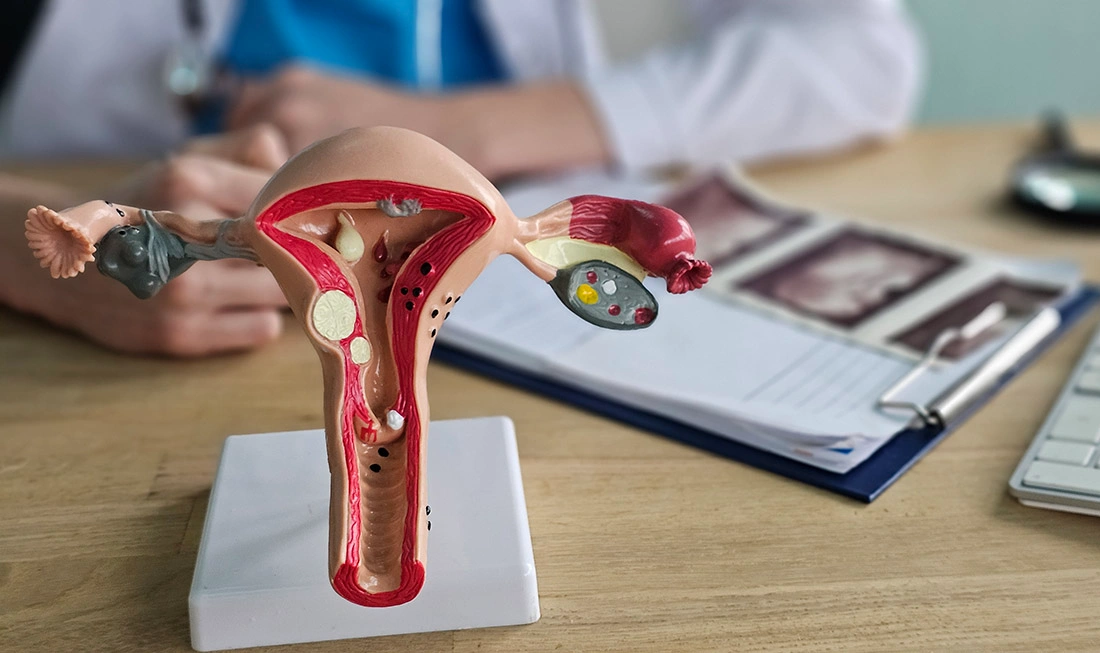
Managing Subserosal Fibroids for Better Reproductive Health
Living with subserosal fibroids can be uncomfortable, but several treatment options are available. Early evaluation allows doctors to identify the condition, explain your symptoms and recommend appropriate management before fibroids cause further discomfort.
At our fibroid clinic, we aim to help women better understand conditions such as subserosal fibroids and how they may affect daily life. The team is led by Dr Anthony Siow, who has more than 20 years of clinical experience and was the first Director of the Minimally Invasive Surgery Centre at KK Women’s & Children’s Hospital. If you are experiencing persistent symptoms or concerns about fibroids, schedule a consultation to receive a detailed evaluation and personalised treatment advice.
FAQs About Subserosal Fibroids
Meet Our Specialist
Obstetrician Gynaecologist
MBBS, M Med (O&G), MRANZCOG, MRCOG
Member of the Australasian Gynaecological Endoscopy and Surgery Society
Member of the American Association of Gynecologic Laparoscopists
Dr Anthony Siow has more than 20 years of experience in obstetrics and gynaecology. He previously served as Director of Minimally Invasive Surgery at a public hospital in Singapore and helped develop programmes for managing complex gynaecological conditions, including fibroids, ovarian cysts and endometriosis.
He was also the first gynaecologist in Singapore to perform single-incision laparoscopy for procedures such as hysterectomy and myomectomy, providing an additional minimally invasive option for women who require fibroid surgery. Dr Siow focuses on careful evaluation and evidence-based treatment to help women manage gynaecological conditions safely and effectively.