When Is Surgery Considered for Fibroids in Singapore?


Being diagnosed with uterine fibroids does not automatically mean that surgery is necessary. Fibroids vary considerably in size, location and the symptoms they cause, so treatment should be based on how the condition is affecting you rather than the diagnosis alone.
For some women, monitoring may be sufficient, while others may need treatment to control troublesome symptoms or reduce fibroid size. Understanding where non-surgical options fit into fibroid management can help you have a more informed discussion with your gynaecologist about the most appropriate next step.
When Monitoring May Be Appropriate for Fibroids
Not every fibroid requires medical or procedural treatment. Fibroids that are not causing significant symptoms may be monitored rather than treated immediately, depending on their size, location and other individual factors.
Your gynaecologist may consider factors such as:
- Fibroid size and location
- Menstrual bleeding
- Pelvic pain or pressure
- Bladder or bowel symptoms
- Changes in fibroid size
- Future pregnancy plans
Depending on your individual circumstances, follow-up assessments or ultrasound scans may be recommended to monitor the fibroids over time.
Non-Surgical Treatment Options for Fibroids
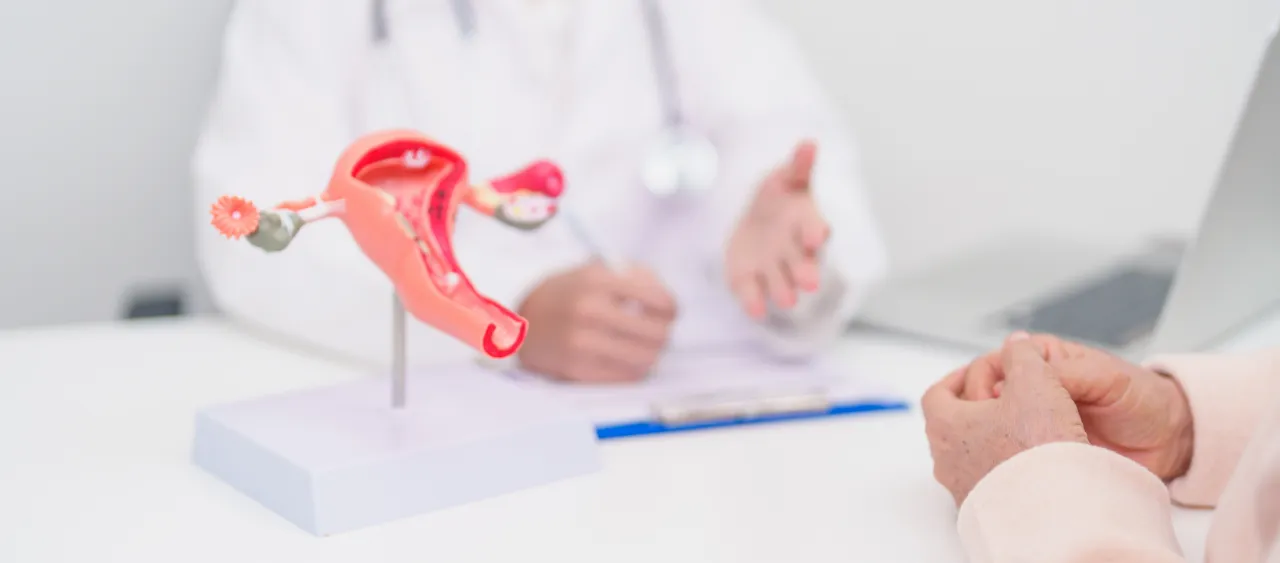
Non-surgical treatment can serve different purposes, from controlling symptoms to temporarily or more permanently reducing fibroid size. The appropriate option depends on what your treatment needs to achieve and whether factors such as future pregnancy need to be considered.
Oral Medication for Fibroid Symptoms
Medication may help manage fibroid symptoms without reducing or removing the fibroids themselves. Tranexamic acid can reduce heavy menstrual bleeding, while painkillers may help relieve pain associated with fibroids, although they do not reduce the size of the fibroids.
These treatments may be suitable when symptoms are mild and do not currently require procedural treatment.
GnRH Injections for Temporary Fibroid Shrinkage
GnRH injections temporarily suppress female hormone production, which can reduce fibroid size and menstrual bleeding. They may be used before surgery to reduce fibroid size and make it easier to be removed keyhole surgery.
Fibroids generally grow again after treatment stops. Side effects can include hot flushes, mood changes and sleep disturbances. Because prolonged suppression of oestrogen can reduce bone density, GnRH medications are generally used for limited periods, depending on the specific medication and treatment plan.
Uterine Artery Embolisation (UAE)
Uterine artery embolisation is a minimally invasive procedure that reduces the blood supply to fibroids. Under X-ray guidance, a radiologist passes a catheter through a blood vessel in the groin and injects small particles into the arteries supplying the fibroid. Once its blood supply is blocked, the fibroid gradually shrinks over the following months.
UAE may be considered if you want to avoid surgery. However, this should be discussed carefully with your gynaecologist because the effects of UAE on future fertility and pregnancy need to be considered if you are planning to have children in the future.
Possible risks include pain, infection and bleeding. Longer-term concerns can include changes to menstruation, early menopause or insufficient improvement following treatment.
High-Intensity Focused Ultrasound (HIFU)
HIFU uses focused ultrasound energy to heat and destroy fibroid tissue without an incision. It may reduce heavy menstrual bleeding and shrink fibroid volume by around 30% to 50% within six to 12 months.
However, HIFU is not a routine treatment option in Singapore. Following a Ministry of Health review in 2021, its use for uterine fibroids should be within a research or clinical trial setting.
Discuss Your Fibroid Treatment Options with Dr Anthony Siow
The presence of fibroids does not determine the treatment you will need. A detailed assessment can clarify how significant the fibroids are in your individual case and whether intervention is necessary at this stage.
At ASC Clinic for Women in Singapore, Dr Anthony Siow provides assessment and treatment for uterine fibroids, drawing on more than 20 years of institutional practice in gynaecology. His approach considers both non-surgical and surgical options where appropriate, based on each patient’s condition and treatment needs.
If you have been diagnosed with fibroids or are considering your treatment options, schedule a consultation to discuss an approach suited to your individual needs.
FAQs About Non-Surgical Fibroid Treatment
Meet Our Fibroid Surgery Specialist in Singapore
Obstetrician Gynaecologist
MBBS, M Med (O&G), MRANZCOG, MRCOG
Member of the Australasian Gynaecological Endoscopy and Surgery Society
Member of the American Association of Gynecologic Laparoscopists
Dr Anthony Siow is an accomplished gynaecologist with over two decades of special interest in uterine fibroid management. Prior to private practice, Dr Siow was the first Director of the Minimally Invasive Surgery Centre at KK Women's & Children's Hospital. He was also the first gynaecologist in Singapore to perform Single Incision Laparoscopy for fibroid removal, and has successfully performed more than 500 cases since 2010.