How Uterine Fibroids Affect Perimenopausal Women
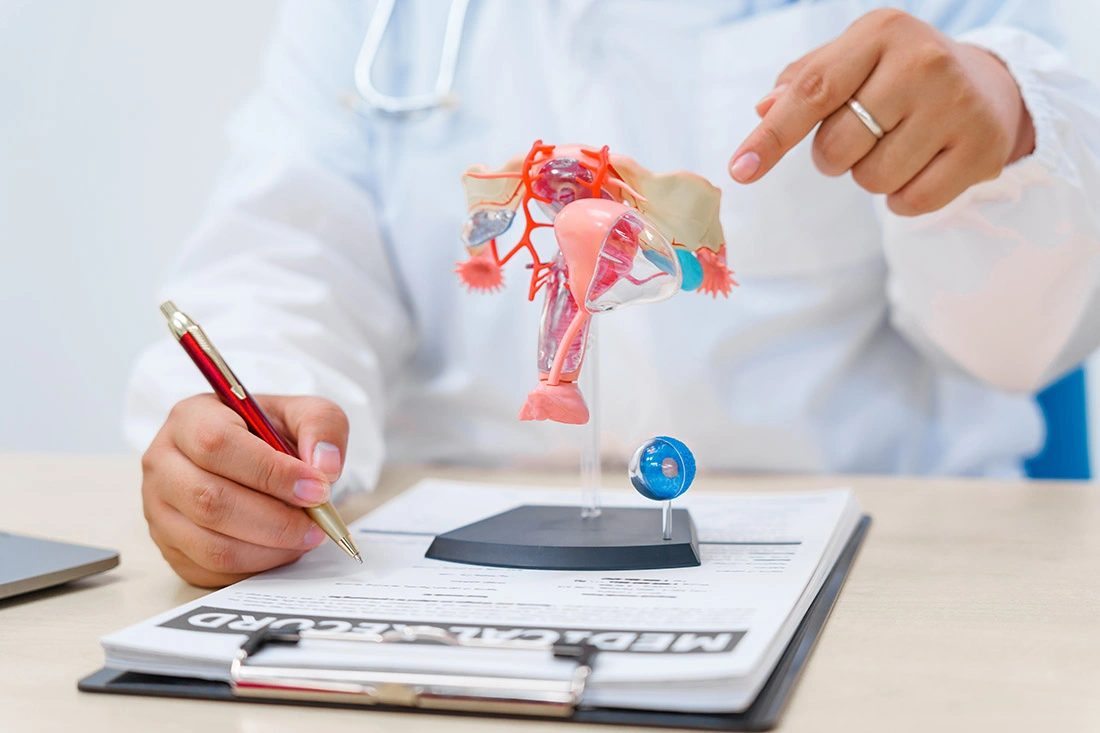

Uterine fibroids commonly develop after menstruation begins and during the reproductive years. Their frequency increases with age and by the age of 40, more than half of women may develop one or more fibroids. Intramural fibroids, which grow within the muscular wall of the uterus, are among the most common types but may be difficult to detect early because they often cause few or no noticeable symptoms.
What Are the Different Types of Intramural Fibroids?
Intramural fibroids are non-cancerous growths that develop within the muscular wall of the uterus. As they grow, they can cause the uterus to enlarge and may affect how the uterine muscles contract during menstruation. Doctors classify intramural fibroids based on their location within the uterus:
Anterior Intramural Fibroids
These fibroids develop in the front wall of the uterus. As they enlarge, they may press against the bladder, which can lead to frequent urination, pelvic pressure or difficulty fully emptying the bladder.
Posterior Intramural Fibroids
These fibroids grow on the back wall of the uterus. When they increase in size, they may place pressure on the rectum or lower back, sometimes causing constipation, back discomfort or pelvic heaviness.
Fundal Intramural Fibroids
These fibroids form in the upper portion of the uterus, known as the fundus. Their growth may affect the overall size and shape of the uterus and can contribute to pelvic pressure, abdominal fullness or changes in menstrual flow.
The location of the fibroid often influences the type of symptoms a woman experiences. At the same time, it helps a fibroid specialist determine the most appropriate approach to monitoring or treatment.
When to See a Doctor for Intramural Fibroids
Not all intramural fibroids cause noticeable symptoms. However, you should seek medical advice if symptoms become persistent, worsen over time or begin interfering with daily activities.
Common signs that may warrant a medical evaluation include:
- Pelvic pain or pressure that does not go away.
- Persistent lower back pain without a clear cause.
- Heavy or prolonged menstrual periods that affect daily routines.
- Bleeding between menstrual periods.
These symptoms may suggest that fibroids are affecting the uterus or nearby organs. A fibroid doctor can assess your condition and advise whether monitoring or treatment may be appropriate.
How Are Intramural Fibroids Diagnosed?
When your doctor suspects fibroids based on your symptoms, they will recommend diagnostic tests to confirm their presence and evaluate their size, number and effects on the uterus.
These tests may include:
- Transvaginal Ultrasound: This is usually the first imaging test used to detect fibroids and assess their size and location.
- Pelvic MRI Scan: This provides more detailed information about the size, number and position of the fibroids, especially when treatment planning is required.
- Hysteroscopy: Doctors may perform this procedure to examine the inside of the uterus when they need to assess the uterine cavity more closely.
- Endometrial Biopsy: In certain cases, doctors may take a small tissue sample to evaluate abnormal uterine bleeding.
- X-ray with contrast imaging: Doctors may occasionally use this test in selected cases to further evaluate the uterus and fallopian tubes.
After reviewing the results, your fibroid doctor will consider the findings alongside your symptoms and medical history to determine the most appropriate management plan.
How Are Intramural Fibroids Treated?
For small or symptom-free fibroids, doctors often recommend observation rather than immediate treatment. Many fibroids do not require intervention unless they grow larger or begin causing symptoms. However, if fibroids lead to noticeable symptoms, doctors may recommend treatment options such as:
Myomectomy
A myomectomy removes intramural fibroids while preserving the uterus. Doctors often recommend this procedure for women who wish to maintain fertility or avoid a hysterectomy, especially when fibroids cause pain, pressure or heavy menstrual bleeding.
In many cases, surgeons perform myomectomy using minimally invasive laparoscopic techniques, which may allow for smaller incisions and a faster recovery.
Hysterectomy
A hysterectomy involves the surgical removal of the uterus. Doctors may recommend this option when fibroids cause severe symptoms, when other treatments have not been effective or when preserving fertility is no longer a priority. Similar to a myomectomy, surgeons can perform the procedure using laparoscopic techniques, which may allow for a less invasive approach.
Uterine Artery Embolisation (UAE)
Uterine Artery Embolisation (UAE) blocks the blood supply to fibroids, causing them to shrink over time. It is often suggested for women seeking a less invasive option or those not planning future pregnancies.
Gonadotropin-Releasing Hormone (GnRH) Agonists
GnRH agonists temporarily lower oestrogen levels to reduce fibroid size and help control symptoms. They are typically used short-term, either before surgery or for symptom management near menopause.
Specialist-led Care for Intramural Fibroids
Intramural fibroids may not always cause noticeable symptoms, but they can still affect the uterus as they grow. Recognising changes such as persistent pelvic discomfort, abnormal bleeding or increasing pelvic pressure can help you decide when to seek medical advice. Early evaluation allows a doctor to determine whether monitoring or treatment is the most appropriate approach.
Our fibroid clinic supports women in understanding conditions such as intramural fibroids and the symptoms they may cause. The clinic is led by Dr Anthony Siow, who has more than two decades of experience and is a pioneer of single-incision laparoscopic surgery for fibroid removal in Singapore. If you are concerned about fibroids or persistent pelvic symptoms, arrange a consultation for a detailed evaluation and personalised care.
FAQs About Intramural Fibroids
Meet Our Specialist
Obstetrician Gynaecologist
MBBS, M Med (O&G), MRANZCOG, MRCOG
Member of the Australasian Gynaecological Endoscopy and Surgery Society
Member of the American Association of Gynecologic Laparoscopists
Dr Anthony Siow has more than 20 years of experience in obstetrics and gynaecology. He previously served as Director of Minimally Invasive Surgery at a public hospital in Singapore and helped develop programmes for managing complex gynaecological conditions, including fibroids, ovarian cysts and endometriosis.
He was also the first gynaecologist in Singapore to perform single-incision laparoscopy for procedures such as hysterectomy and myomectomy, providing an additional minimally invasive option for women who require fibroid surgery. Dr Siow focuses on careful evaluation and evidence-based treatment to help women manage gynaecological conditions safely and effectively.