Fibroids and Ovarian Cysts: What Is the Difference?

Fibroids and ovarian cysts are common gynaecological conditions that affect many women, particularly in their 30s and 40s. Both can cause similar symptoms such as spotting, bloating and lower back discomfort, which often lead people to confuse the two conditions.
Recognising their differences can help you identify when something feels unusual and allow your doctor to tailor a personalised treatment plan to protect your reproductive health.
What Is the Difference Between Fibroids and Ovarian Cysts?
Fibroids and ovarian cysts are both non-cancerous conditions that affect the female reproductive system. However, they develop in different parts of the reproductive system and behave differently.
Uterine Fibroids
Uterine fibroids are solid, non-cancerous growths that develop in or around the uterus. They can vary in size and may grow to several centimetres in diameter. Although common, fibroids often cause no noticeable symptoms and are only detected during routine gynaecological examinations.
Doctors do not fully understand the exact cause of uterine fibroids. However, hormones such as oestrogen and progesterone appear to influence their growth. Because fibroids develop within or attach to the uterus, they may affect menstrual flow, cause pelvic pressure, change urinary patterns and in some cases, impact fertility.
Ovarian Cysts
Ovarian cysts are fluid-filled sacs that develop on or inside the ovaries, often as part of normal hormonal changes during the menstrual cycle. Ovulation is the most common cause, as the ovaries form small sacs that release an egg each month. Many cysts are temporary and resolve on their own without treatment.
Unlike fibroids, ovarian cysts do not involve the muscle tissue of the uterus. When symptoms occur, they may include intermittent pelvic pain or bloating, often linked to ovulation or, in some cases, cyst rupture. These patterns can help distinguish cyst-related discomfort from fibroid-related symptoms.
What Are Common Causes of Fibroids and Ovarian Cysts?
Although both are hormone-related conditions, their origins and mechanisms differ.
Causes of Uterine Fibroids
Fibroids arise from abnormal growth of uterine muscle cells and are strongly influenced by oestrogen and progesterone. Factors that may increase the likelihood of fibroids include:
- Family history of fibroids.
- Hormonal imbalances or prolonged exposure to oestrogen.
- Delayed childbirth or no prior pregnancies.
Causes of Ovarian Cysts
Ovarian cysts typically develop as part of the normal menstrual cycle, especially during ovulation. Common causes include:
- Hormonal fluctuations.
- A follicle failing to release an egg.
- Corpus luteum cyst formation after ovulation.
What Are Symptoms of Fibroids and Ovarian Cysts?
While mild discomfort may be overlooked, certain signs may suggest one condition rather than the other.
Symptoms of Uterine Fibroids
About 1 in 4 women with uterine fibroids do not experience symptoms. When symptoms do occur, they may include:
- Heavy or prolonged menstrual bleeding.
- Pelvic pressure or a feeling of fullness.
- Lower abdominal discomfort or back pain.
- Frequent urination or difficulty emptying the bladder if fibroids press against nearby organs.
Symptoms of Ovarian Cysts
Ovarian cysts often cause no symptoms and are sometimes discovered during routine examinations. They usually form when a follicle involved in ovulation fails to release an egg. In many cases, these cysts resolve on their own within a few months without treatment.
When symptoms do occur, they may include:
- Pelvic pain that comes and goes.
- Bloating or a feeling of abdominal fullness.
- Discomfort during certain phases of the menstrual cycle.
- Sudden, severe pain if a cyst ruptures or twists.
How Are Fibroids and Ovarian Cysts Treated?
Treatment for fibroids and ovarian cysts depends on factors such as the size of the growth, the severity of symptoms, the patient’s age and future fertility plans. In some cases, no immediate treatment is required, and doctors may recommend monitoring the condition through regular check-ups and imaging tests.
When symptoms become bothersome or complications arise, treatment options may include medications to manage symptoms or hormonal changes, minimally invasive procedures or surgical removal of the fibroids or cysts.
When Should You See a Doctor?
While fibroids and ovarian cysts are often harmless, it is important to seek medical attention if symptoms become persistent or disruptive. You should consult a doctor if you experience heavy or prolonged menstrual bleeding, ongoing pelvic pain, persistent bloating or changes in urinary or bowel habits.
Immediate medical attention may also be necessary if you experience sudden, severe abdominal pain, dizziness or rapidly worsening symptoms, as these may indicate complications such as cyst rupture or other urgent conditions. Early evaluation allows your doctor to identify the underlying cause and recommend appropriate treatment.
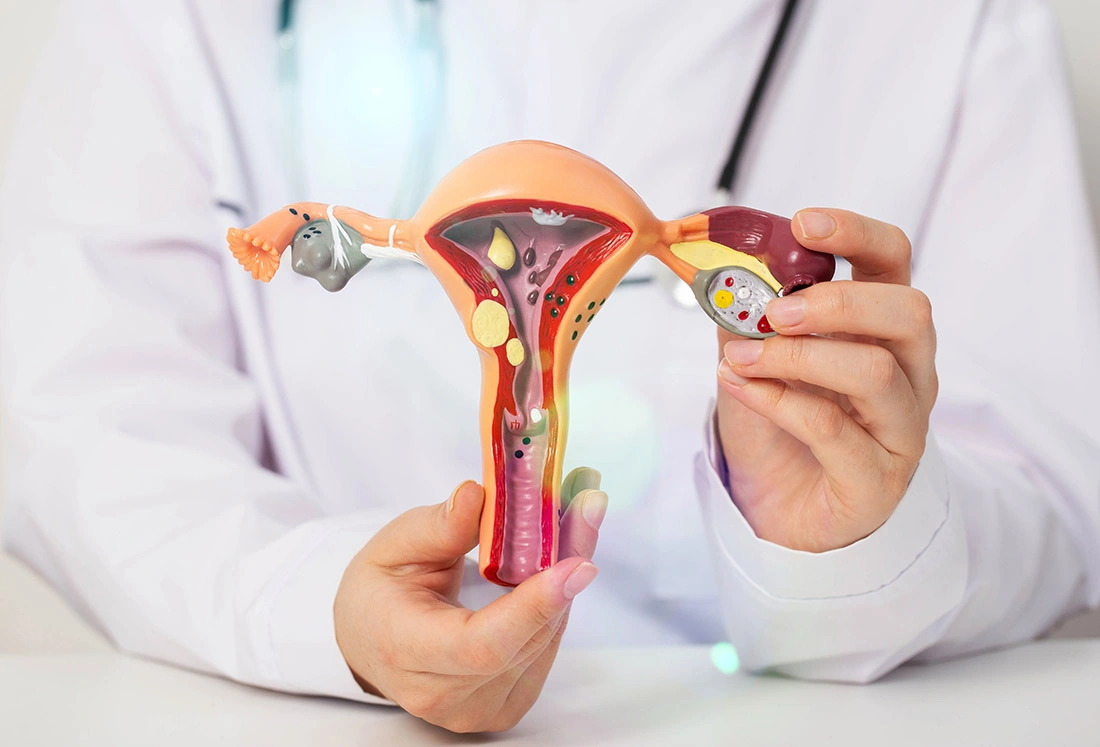
Get the Right Diagnosis and Treatment with Fibroid Singapore
Fibroids and ovarian cysts may share similar symptoms, but they differ in their causes, locations and potential effects on reproductive health. Understanding these differences can help you recognise when something may be unusual and seek timely medical advice. If you have concerns about your menstrual health, consulting a doctor can help ensure the right diagnosis and appropriate care.
At our fibroid clinic, we understand that symptoms such as pelvic pain, bloating or heavy menstrual bleeding can sometimes be confusing, especially when conditions like fibroids and ovarian cysts share similar signs. Dr Anthony Siow provides thorough assessments to accurately diagnose the underlying cause and recommend appropriate management tailored to your needs. If you are experiencing persistent symptoms or have concerns about your reproductive health, schedule a consultation with our specialist to receive personalised care and guidance.
FAQs About Differences Between Fibroids and Ovarian Cysts
Meet Our Specialist
Obstetrician Gynaecologist
MBBS, M Med (O&G), MRANZCOG, MRCOG
Member of the Australasian Gynaecological Endoscopy and Surgery Society
Member of the American Association of Gynecologic Laparoscopists
Dr Anthony Siow has more than 20 years of experience in obstetrics and gynaecology. He previously served as Director of Minimally Invasive Surgery at a public hospital in Singapore and helped develop programmes for managing complex gynaecological conditions, including fibroids, ovarian cysts and endometriosis.
He was also the first gynaecologist in Singapore to perform single-incision laparoscopy for procedures such as hysterectomy and myomectomy, providing an additional minimally invasive option for women who require fibroid surgery. Dr Siow focuses on careful evaluation and evidence-based treatment to help women manage gynaecological conditions safely and effectively.