Understanding the Different Types of Fibroids
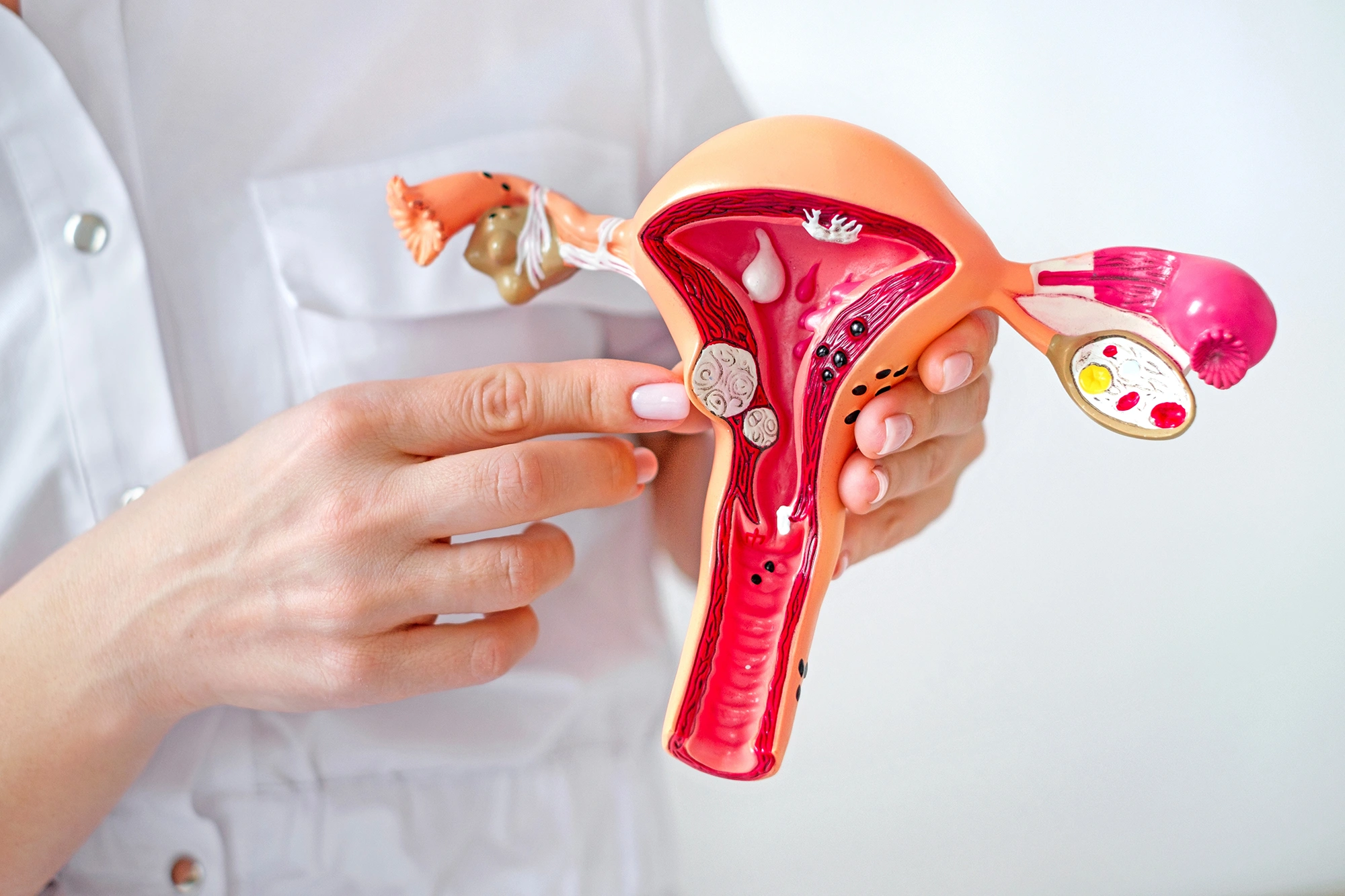
If your periods have gradually become heavier or pelvic discomfort is starting to creep into your everyday routine, it can be unsettling not knowing why. Many women live with these changes for months or even years before discovering that uterine fibroids are the cause. While fibroids are common, especially among women of reproductive age, understanding the type of fibroid you have can make a difference to how symptoms are managed and what treatment options are available.
In this article, we look at the different types of fibroids, how they may affect your health and fertility. Keep reading to learn more.
What Are Uterine Fibroids?
Uterine fibroids, or leiomyomas, are non-cancerous growths that develop in the muscular wall of the uterus. While their exact cause remains unclear, hormones such as oestrogen and progesterone are known to influence their growth. Genetics and family history may also increase the likelihood of developing fibroids.
Most fibroids do not cause symptoms and are discovered incidentally during a routine pelvic examination or ultrasound scan. However, when symptoms do arise, they can include heavy or prolonged menstrual bleeding, pelvic pressure, lower back pain, frequent urination, constipation or difficulties with conception.
4 Main Types of Fibroids
Uterine fibroids are classified according to where they develop in relation to the uterus. Their location often determines the type of symptoms experienced, their potential effect on fertility and the most appropriate treatment approach.
1. Intramural Fibroids
Intramural fibroids grow within the muscular wall of the uterus and are the most commonly diagnosed type. As they enlarge, they may cause the uterus to expand, leading to a feeling of heaviness or pressure in the lower abdomen. Many women with intramural fibroids experience heavier or longer periods, and larger growths may affect fertility by disrupting implantation or uterine function.
2. Submucosal Fibroids
Submucosal fibroids develop just beneath the uterine lining, known as the endometrium, and may protrude into the uterine cavity. Even small submucosal fibroids can trigger significant menstrual bleeding and are a recognised cause of anaemia. They are also most strongly linked to fertility challenges, including difficulty conceiving and a higher risk of miscarriage.
3. Subserosal Fibroids
Subserosal fibroids form on the outer surface of the uterus. Because they grow outward, they are less likely to affect menstrual flow but can exert pressure on nearby structures such as the bladder, ureters or rectum. This can result in urinary frequency, incomplete bladder emptying or constipation. Large subserosal fibroids may also lead to visible abdominal distension.
4. Pedunculated Fibroids
Pedunculated fibroids are attached to the uterus by a narrow stalk and may grow either inside or outside the uterine cavity. When located externally, the stalk can occasionally twist, cutting off blood supply and causing sudden, sharp pain. If the fibroid extends into the uterine cavity, it may contribute to heavy periods or cramping during menstruation.
How Different Fibroid Types Affect Fertility and Pregnancy
The impact of fibroids on fertility and pregnancy largely depends on their size and location, as well as how they change the shape of the uterus. While some fibroids have little effect on reproductive outcomes, others may require fibroids treatment because they can interfere with implantation, pregnancy progression or delivery.
- Submucosal Fibroids Submucosal fibroids are most closely associated with reduced fertility. By distorting the uterine cavity, they can interfere with embryo implantation and increase the risk of early pregnancy loss. Their tendency to cause heavy bleeding may also affect overall reproductive health.
- Intramural Fibroids Intramural fibroids grow within the muscular wall of the uterus. When they are large or located close to the uterine cavity, they may affect blood flow to the lining of the uterus and disrupt implantation. Some studies also associate larger intramural fibroids with reduced fertility and increased pregnancy complications.
- Subserosal Fibroids These fibroids grow on the outer surface of the uterus and generally have minimal direct impact on fertility or implantation. However, very large subserosal fibroids may affect pregnancy by causing discomfort, altering uterine position or increasing the risk of pain as the uterus expands.
- Pedunculated fibroids Pedunculated fibroids usually do not affect fertility unless they distort the uterine cavity or cause complications. During pregnancy, they may occasionally cause pain if the stalk twists, but they are less commonly linked to fertility issues.
Speak to a Gynaecologist About Fibroid Care
Although fibroids are non-cancerous, their size, position and behaviour can affect fertility and pregnancy in different ways. A thorough, personalised assessment allows your gynaecologist to determine whether treatment may be beneficial, taking into account your symptoms, reproductive goals and overall wellbeing.
If you have any questions or concerns, speak with our gynaecologist, Dr Anthony Siow, for guidance towards the most appropriate care today. Reach out to book an appointment and take the next step with confidence.