Myomectomy vs. Hysterectomy: Which Surgery Is Right for You?
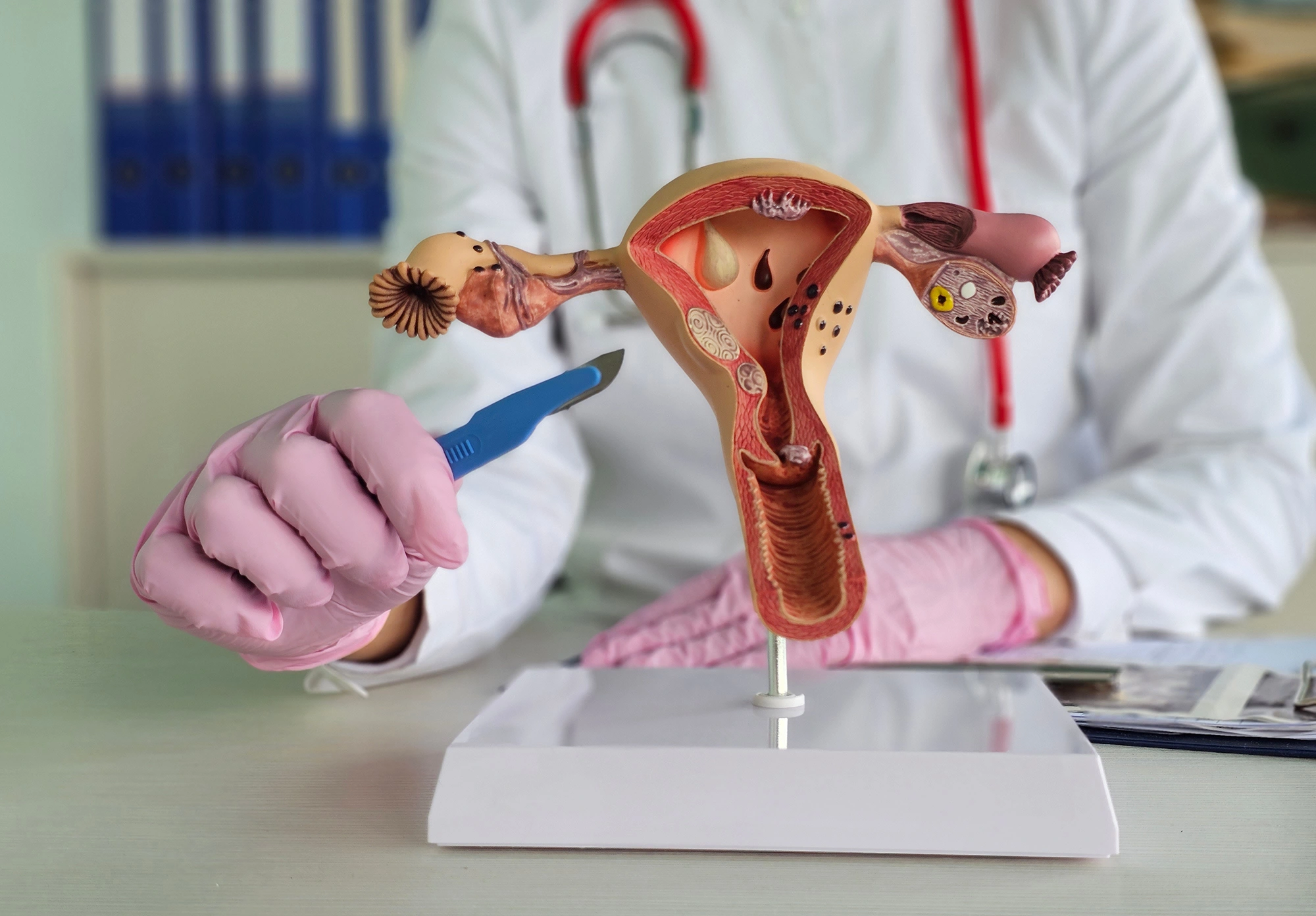
If heavy periods, pelvic discomfort or fertility concerns have started to affect your daily life, you may have been told that surgery is an option. For many women, that conversation leads to an important decision: whether to remove fibroids while keeping the uterus, or to remove the uterus entirely. It can feel overwhelming, especially when your health, future plans and peace of mind are all part of the equation.
In this article, we look at the differences between myomectomy and hysterectomy, and how to decide which approach may be right for you. Read on to learn more.
Understanding Uterine Fibroids
Uterine fibroids, also known as leiomyomas, are noncancerous growths that develop from the muscle layer of the uterus. They are common during the reproductive years and vary widely in size, number and location. While the exact cause remains unclear, hormones such as oestrogen and progesterone, along with genetic factors, are believed to play a role in their development.
Many women with fibroids have no symptoms and may only discover them during routine gynaecological examinations. When symptoms do occur, they can vary in severity and may affect daily life and fertility.
Common symptoms of uterine fibroids include:
- Heavy or painful menstrual periods
- Bleeding between periods
- Pelvic pain or pressure
- Frequent urination or difficulty emptying the bladder
- Pain during intercourse or lower back pain
- Infertility or recurrent miscarriages
- Abdominal enlargement, sometimes resembling pregnancy
When Surgery May Be Needed
Not all fibroids require surgical treatment. In many cases, monitoring or medication may be sufficient. Surgery is usually considered when symptoms become persistent, severe or unresponsive to non-surgical approaches.
A surgical procedure may be recommended if:
- Symptoms are severe, such as uncontrolled bleeding or significant pelvic pain
- Fibroids are large or continue to grow rapidly
- Recurrent uterine bleeding does not respond to medication
- Fibroids are linked to infertility or repeated pregnancy loss
- Fibroids press on nearby organs, causing urinary or bowel symptoms
A detailed medical assessment by a gynaecologist is essential to determine whether surgery is appropriate and which option best aligns with your health needs and long-term plans.
What Is a Myomectomy?
A myomectomy is a surgical procedure that removes fibroids while leaving the uterus in place. Because the uterus is preserved, menstrual cycles continue and pregnancy may still be possible. This approach is often chosen by women who wish to maintain fertility or keep their uterus for personal or medical reasons.
Types of Myomectomy
Myomectomy can be performed using different techniques, depending on the size, number and location of the fibroids, as well as your symptoms and reproductive goals.
- Abdominal Myomectomy: This procedure involves an incision in the lower abdomen, often along the bikini line, and is commonly used when fibroids are large, numerous or deeply embedded.
- Laparoscopic or Robotic Myomectomy: Performed through small incisions using specialised instruments, this approach causes less tissue disruption and may allow for reduced pain and a quicker return to daily activities.
- Hysteroscopic Myomectomy: This technique removes fibroids located within the uterine cavity by passing a scope through the vagina and cervix, avoiding abdominal incisions altogether.
What Is a Hysterectomy?
A hysterectomy is a surgical procedure that removes the uterus. After this operation, menstrual periods stop and pregnancy is no longer possible.
This procedure may be recommended when symptoms are severe, other treatments have failed or when conditions extend beyond fibroids alone. These may include very heavy bleeding, advanced endometriosis, uterine prolapse, chronic pelvic pain or certain cancers of the uterus or cervix.
Types of Hysterectomy
There are several types of hysterectomy, and the procedure chosen depends on the underlying condition and how extensive the surgery needs to be.
- Partial (Supracervical) Hysterectomy: This procedure removes the main body of the uterus while preserving the cervix. The ovaries and fallopian tubes may be left in place or removed, depending on individual medical factors.
- Total Hysterectomy: In a total hysterectomy, both the uterus and cervix are removed. The decision to preserve or remove the ovaries and fallopian tubes is made based on the patient’s condition and overall health.
- Radical Hysterectomy: This more extensive surgery removes the uterus, cervix, upper portion of the vagina and surrounding tissues, and often includes removal of the ovaries and fallopian tubes. It is typically performed for certain cancer-related conditions.
How to Decide Which Surgery Is Right for You
Choosing between a myomectomy and a hysterectomy is a personal decision that should be made in close consultation with a specialist. The most suitable option depends on several medical and personal factors, including your long-term goals and overall health.
Age and Fertility Goals
Myomectomy is commonly considered for women who wish to conceive or retain their uterus. Hysterectomy may be more suitable for those who have completed their family or do not plan to become pregnant.
Size and Number of Fibroids
When fibroids are very large, numerous or cause significant distortion of the uterus, a hysterectomy may be technically simpler. That said, a myomectomy can still be suitable for many women, depending on the characteristics of the fibroids.
Symptom Severity and Recurrence Risk
Both procedures can relieve heavy bleeding and pelvic pain. Hysterectomy permanently removes the risk of fibroid recurrence, while myomectomy carries a small chance that new fibroids may develop over time.
Overall Health and Medical History
Existing health conditions, previous surgeries and surgical risk all play a role. These factors are carefully reviewed before any recommendation is made. A thoughtful discussion with a gynaecologist helps ensure that the chosen approach supports both your current health and long-term wellbeing.
Planning Your Next Steps
If fibroid symptoms are affecting your quality of life, understanding your surgical choices can bring clarity and reassurance. Whether preserving the uterus or opting for definitive treatment, the right decision is one that aligns with your health needs and priorities.
For personalised guidance, consider booking a consultation with Dr Anthony Siow. Your condition will be assessed carefully, and treatment options explained clearly, so you can move forward feeling informed and supported. Contact us today to arrange an appointment.