How to Prepare for a Myomectomy: A Step-by-Step Guide
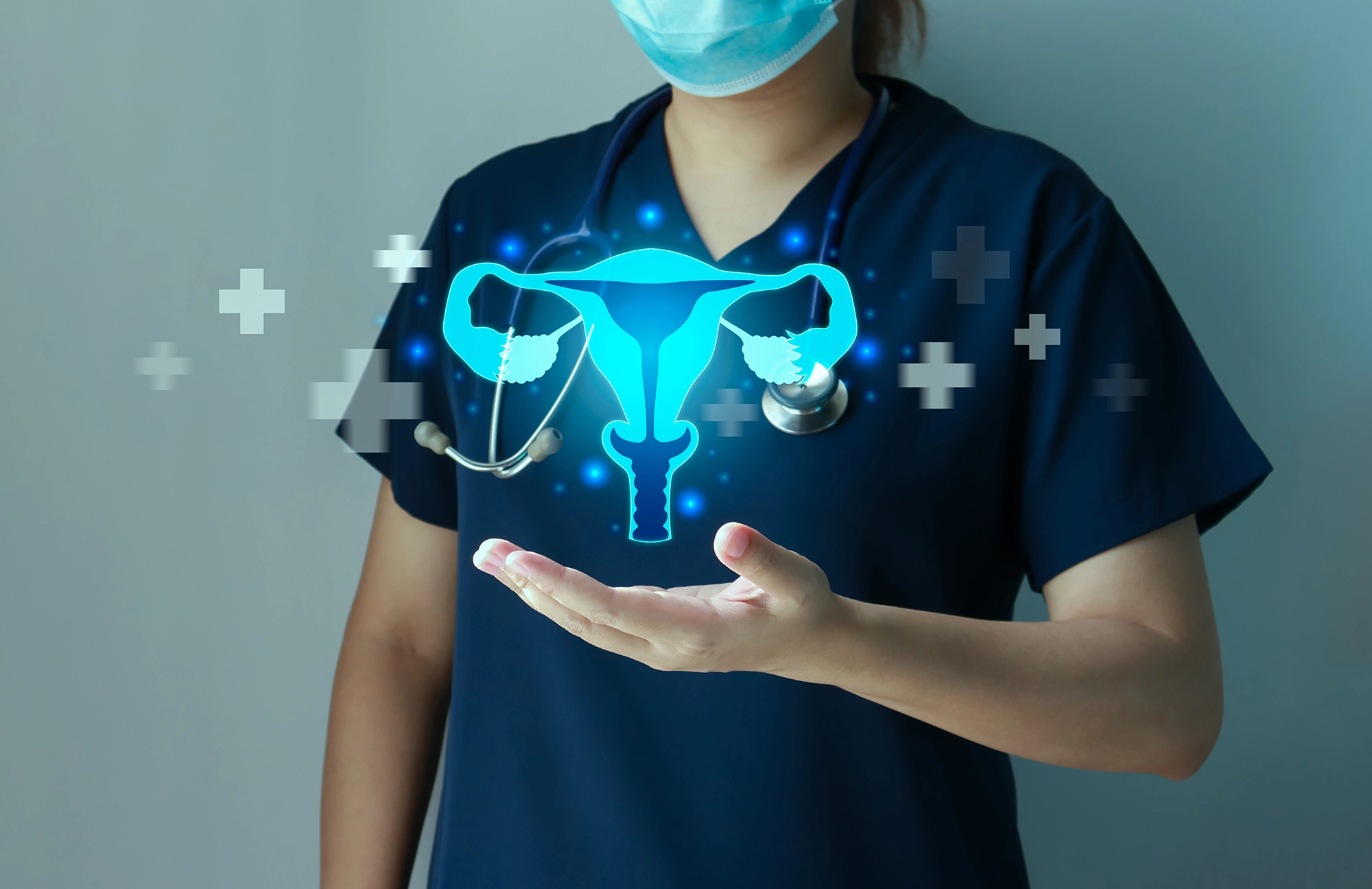
If your periods leave you feeling drained, or pelvic discomfort has started interfering with work, exercise or daily life, you are not alone. Many women find that these symptoms are caused by uterine fibroids, which can sometimes be treated effectively with a myomectomy, a procedure that removes fibroids while preserving the uterus. While the idea of surgery can feel daunting, being well-prepared can make the experience less stressful and support a smoother recovery.
In this article, we look at what a myomectomy involves, how to prepare for it and what to expect after surgery. Read on to learn more.
Understanding Myomectomy
A myomectomy is a surgical procedure that removes uterine fibroids while preserving the uterus. Unlike a hysterectomy, which involves removing the uterus entirely, myomectomy targets only the fibroids themselves. By doing so, it can help relieve symptoms such as heavy menstrual bleeding, pelvic pain and pressure, while maintaining the uterus and its reproductive function. This approach is often recommended for women who wish to retain their uterus, including those planning future pregnancies.
At our clinic, Dr Anthony Siow performs myomectomy using single-incision laparoscopic myomectomy (SILM) in selected cases of uterine fibroids and other gynaecological conditions. This minimally invasive approach reduces tissue disruption, which can support a quicker recovery and less postoperative discomfort.
Preparing for Myomectomy
If you are scheduled for a myomectomy or considering the procedure, understanding how to prepare in advance can help reduce the risk of complications and support a smoother recovery. Here are practical steps to help you get ready physically, mentally and emotionally.
Step 1: Medical Evaluation and Consultation
Preparation for a myomectomy begins with a detailed consultation with your gynaecologist. During this visit, your medical history, current symptoms and reproductive goals are carefully reviewed. Diagnostic tests such as pelvic ultrasound, MRI scans and blood work may also be recommended to identify the size, number and location of the fibroids. These findings help determine the severity of the condition, assess your overall health and guide planning for the most suitable surgical approach.
Step 2: Preoperative Preparation
Before surgery, you will receive personalised guidance tailored to your medical condition and the type of myomectomy planned. This includes:
- Medication Guidance: Your doctor may advise stopping blood thinners, avoiding certain supplements that increase bleeding risk and adjusting medications for conditions such as diabetes or hypertension.
- Lifestyle Adjustments: Avoid smoking and alcohol for at least 2 weeks before surgery. Maintain a balanced diet rich in iron and vitamins, stay well hydrated and get adequate rest.
- Physical and Mental Readiness: Gentle exercise, adequate sleep and relaxation techniques such as deep breathing or meditation can help prepare your body and mind. Discuss any concerns or questions with your surgeon, as this can reduce anxiety and help you feel more confident going into the procedure.
Step 3: The Day Before Surgery
The day before your myomectomy focuses on final preparations to support a smooth and safe procedure.
- Fasting: You will usually be advised not to eat or drink for 6 to 8 hours before surgery, following specific instructions from your care team.
- Prepare for Hospital Admission: Pack essential documents, identification and comfortable clothing for after the procedure.
- Personal Hygiene: Shower the night before surgery using antibacterial soap to help reduce infection risk. Avoid lotions or makeup unless instructed.
- Bowel Preparation: Some patients may be advised to take a laxative or enema the evening before surgery.
- Confirm Support Arrangements: Ensure a family member or trusted person is available to assist you after discharge.
Recovery and Downtime After Myomectomy
Recovery time varies depending on the surgical approach. Minimally invasive procedures generally require two to four weeks of rest, while open surgery may take up to six weeks. During this period, it is important to follow activity restrictions, care for wounds properly and attend follow-up appointments to ensure safe healing.
Myomectomy and Future Pregnancy
One of the main benefits of a myomectomy is that it preserves the uterus, potentially allowing future pregnancy. However, giving your body enough time to heal before trying to conceive is crucial to reduce the risk of complications such as uterine rupture during pregnancy or labour.
Your doctor will advise on an appropriate waiting period based on factors such as the surgical approach, the number and depth of fibroids removed and how the uterus was repaired. Pregnancy care after myomectomy may also involve closer monitoring or specific delivery recommendations, which can be discussed early to support safe family planning.
Planning Your Next Steps
A myomectomy can help you move past painful symptoms while preserving your reproductive health. With the right preparation and support, you can approach surgery with greater confidence and give your body the best chance to heal well.
If you have questions or would like to explore further treatment options, consider booking a personalised consultation with Dr Anthony Siow. Our medical team is here to provide guidance tailored to your health, circumstances and reproductive goals, helping you take the next step with clarity and reassurance.