Potential Risks and Complications of Myomectomy for Fibroids
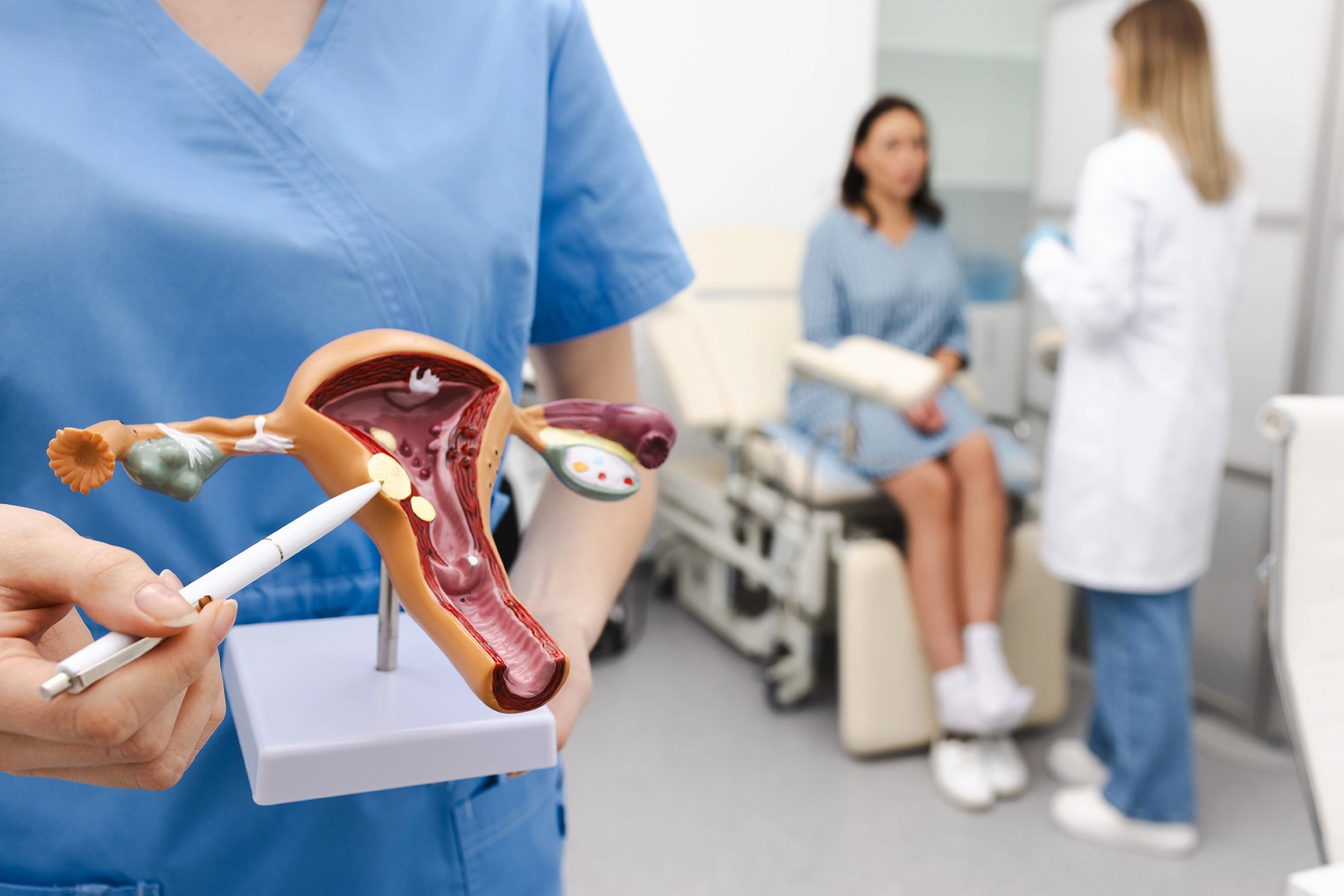
Many women who want to preserve their uterus and safeguard their fertility turn to myomectomy to ease the discomfort caused by uterine fibroids. The idea of surgery, however, can feel daunting, especially when trying to weigh the potential benefits against possible risks. Knowing what to expect beforehand can make a real difference, helping you have informed conversations with your doctor and feel more confident about your recovery. In this article, we explore the different myomectomy procedures and the factors that can influence surgical risks. Read on to find out more.
Types of Myomectomy Procedures
Myomectomy can be performed through various surgical techniques, each tailored to the location, size and number of fibroids present. These include:
Laparotomy (Open) Myomectomy
This procedure involves making a larger abdominal incision, typically 10–12 cm in length. It is often recommended for women with very large fibroids (over 12 cm) or multiple fibroids (more than 10).Laparoscopic Myomectomy
Laparotomy involves a larger abdominal incision, typically 10–12 cm in length. It is often recommended for women with very large fibroids (over 12 cm) or multiple fibroids (more than 10). This approach provides direct access to the uterus, allowing for the removal of complex or numerous fibroids.Transcervical Myomectomy
Also known as transcervical resection of myoma (TCRM), this procedure targets fibroids that protrude into the uterine cavity, known as submucosal fibroids. A thin, lighted instrument called a hysteroscope is inserted through the vagina and cervix to remove the fibroids without any external incisions.
Common Risks of Myomectomy
While myomectomy is generally safe, it does carry potential complications. Your surgeon will review these in detail before surgery to ensure you can make an informed decision.
Excessive Blood Loss
Women with uterine fibroids often experience heavy menstrual bleeding, leading to low blood counts (anaemia). This increases the risk of excessive blood loss during surgery, particularly when removing large, multiple or deeply embedded fibroids. In some cases, a blood transfusion may be necessary.Infection
Post-operative infections can occur at the incision site or internally within the pelvic area. Signs include fever, worsening pain, redness or discharge at the incision site, and a general feeling of being unwell.Scar Tissue Formation
Scar tissue, known as adhesions, can sometimes form inside the pelvis or on the uterus after a myomectomy. These adhesions may lead to chronic pelvic pain, bowel obstruction or, in some cases, fertility issues. The risk of adhesion formation is generally higher with open myomectomy than with minimally invasive techniques.Damage to Surrounding Organs
Although rare, there is a small risk of injury to nearby organs such as the bladder, bowel or ureters during surgery. Complex fibroid cases may increase this likelihood, and additional surgery may be needed to repair any affected organs.
Factors That Increase Risks Associated With Fibroid Removal
Certain factors can influence the likelihood of complications during or after fibroid removal surgery. These are carefully assessed by the surgeon when planning fibroid treatment:
Fibroid Characteristics
Large, multiple, deeply embedded (intramural) or outer-surface (subserosal) fibroids can make surgery more complex, increasing the risk of bleeding, longer operating times and potential injury to surrounding structures.Age
Although age alone does not prevent myomectomy, older women may have underlying health conditions that could complicate surgery and recovery. Fertility considerations are also taken into account for women of reproductive age.Overall Health
Chronic conditions such as anaemia, diabetes, heart disease or blood clotting disorders can heighten surgical risks. Before surgery, your doctor will review your medical history, perform imaging tests, and coordinate care with other specialists if necessary. Optimising your health before surgery helps reduce the risk of complications during and after the procedure.
When to Seek Immediate Medical Attention
After your myomectomy, it is important to monitor your recovery closely. Do not hesitate to seek immediate medical attention if you experience any of the following warning signs:
- Excessive Bleeding: While some vaginal bleeding or spotting is normal after myomectomy, heavy bleeding that soaks more than one pad per hour or lasts longer than expected is a cause for concern.
- Severe Abdominal Pain: Severe or worsening abdominal pain that is not relieved by prescribed pain medication may be a sign of infection, internal bleeding or other complications.
- Signs of Blood Clots: Blood clots can form in the legs (deep vein thrombosis) after surgery, with symptoms including swelling, redness, warmth or pain in one leg. If a clot breaks free and travels to the lungs (pulmonary embolism), it can cause sudden shortness of breath, chest pain or coughing up blood.
Take Control of Your Fibroid Care
Fibroids can affect your comfort, health and fertility in different ways, but understanding the potential risks and available myomectomy options can support you in making informed decisions with confidence.
If you are considering myomectomy in Singapore, Dr Anthony Siow brings over two decades of experience in advanced fibroid removal techniques, providing personalised care that ensures the best possible outcomes. Contact us to discuss your treatment options and take the next step towards personalised fibroid care.
Consultant Obstetrician & Gynaecologist
FRCOG (UK), MRANZCOG (Aust-NZ), FAMS (S'pore)